
Ensuring success in commercial building projects demands a multifaceted approach, from adept financial management to stringent safety protocols. Construction firms operating in Australia navigate a unique landscape where securing funding, managing pricing risks, and prioritising safety is paramount. Commercial construction encompasses diverse projects, spanning from refurbishing existing structures to erecting new retail spaces, medical facilities, warehouses, and light industrial complexes.
In this dynamic sector, safeguarding both workers and investments while meeting client expectations for quality and timely completion emerges as a top priority. With a blend of experience, strategic planning, and financial acumen, commercial builders forge pathways to project success in Australia’s vibrant construction industry.
Safety
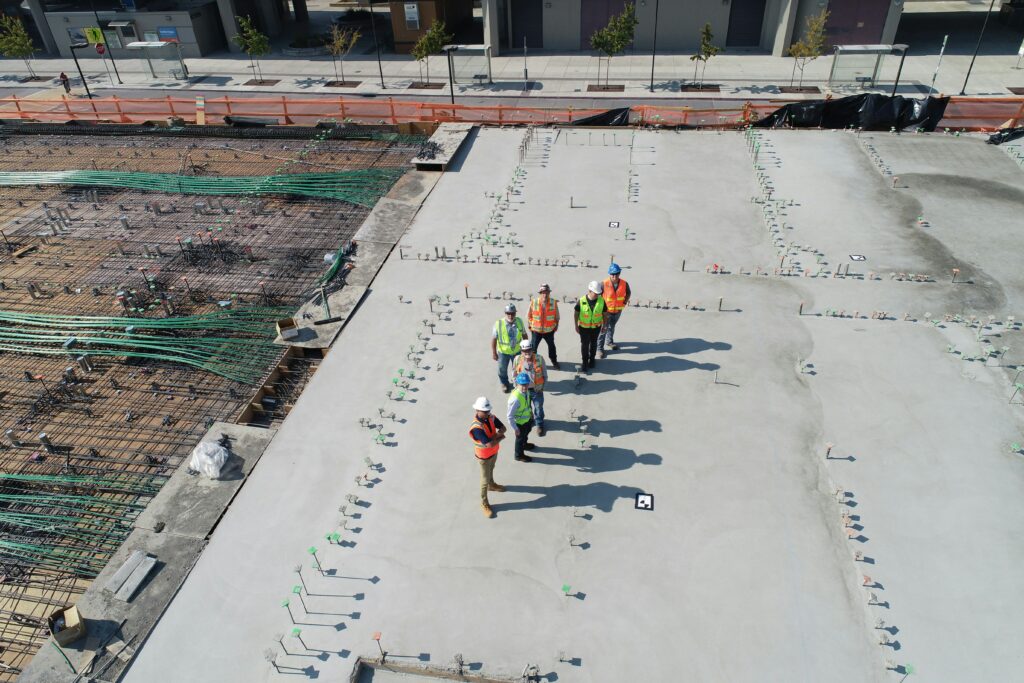
The top teams in commercial construction have a strong commitment to safety. It’s an inherently dangerous field, and the best companies take all steps to minimise risk throughout a project. This includes ensuring that workers are trained thoroughly, that protocols are enforced, and that all workers understand the importance of putting safety first.
Large-scale commercial construction projects require extensive planning to ensure that all safety requirements are met. This begins with compiling a list of all the tasks that need to be done and the areas where those jobs will be performed. Safety managers then identify all possible risks and develop comprehensive plans to manage those risks.
These safety protocols must be implemented, enforced, and documented consistently in order to have a positive impact on the construction project. The financial costs of accidents in the field are enormous, including medical bills for injured workers, insurance premiums, downtime due to reduced staffing, and the cost of replacing equipment. This is a direct incentive to make safety a priority on all construction sites.
All workers must feel free to speak up when they see unsafe working conditions or behaviors, regardless of their job title or scope of responsibility. This enables people to alert the safety manager or supervisor to an issue before it causes an accident. It also means that all workers have the power to stop work if they believe it’s not being conducted safely.
Time
In commercial construction, the finish date is an important factor for owners. Setting a realistic finish date is a crucial first step for project managers to manage client expectations and ensure that the build will be completed on time.
Cost management is another key aspect of managing projects successfully. Contractors who manage costs effectively are less likely to go over budget due to unforeseen circumstances throughout the building process.
In addition, it is essential for contractors to work with designers-builders who can deliver high quality results on schedule. In order to improve cash flow, contractors should reduce the average number of days it takes to receive payment. This can be done by sending invoices immediately, offering payment incentives, writing clear terms, checking credit reports before making deals, and renegotiating terms with non-payers.
Money
A key factor to the success of any construction project is having the requisite funds in order to complete the project. Contractors should research various funding options and compare rates/terms to ensure that they are able to meet the requisite funding needs for each of their projects without going over budget.
Commercial construction differs from residential construction in a few ways: size, complexity, and stakeholder requirements. Properly managing pricing risk is essential to commercial construction company profitability and long-term survival.
Experience
Commercial building projects are typically more complex than residential ones and require specialised construction knowledge. Some of these projects involve large-scale, high-rise skyscrapers, while others may include shopping malls or light manufacturing facilities. The design of these facilities requires expertise in many fields, including electrical and mechanical engineering, plumbing, drywall and flooring, and structural construction.
It’s also important for commercial builders to keep up with industry trends and new developments. This can be done through networking, attending conferences, or joining professional associations. It’s also helpful for companies to have their leaders visit projects on a regular basis to see how well they’re progressing and make sure they align with company goals.
Finally, it’s important for contractors to research funding options and compare interest rates and terms. This can help them stay within their allotted budgets and complete projects successfully without going over budget. Also, they should consider how price fluctuations might affect the project’s cost and profit. For example, if financing agreements are made in a currency other than local dollars, fluctuating exchange rates can significantly impact the final cost of the facility. In addition, payments might be based on specific commodities like petroleum or the facility’s output, which could also increase or decrease the project’s overall cost.
The success of commercial building projects hinges on a delicate balance of factors, from meticulous planning to proactive risk management. By prioritising safety, adhering to stringent timelines, and leveraging financial expertise, construction companies can navigate the complexities of the industry with confidence. As Australia’s commercial landscape continues to evolve, builders must remain agile, embracing innovation and staying attuned to emerging trends. With a steadfast commitment to excellence and a dedication to meeting client needs, commercial builders like Varcon Construction play a pivotal role in shaping the nation’s urban fabric and driving economic growth.